

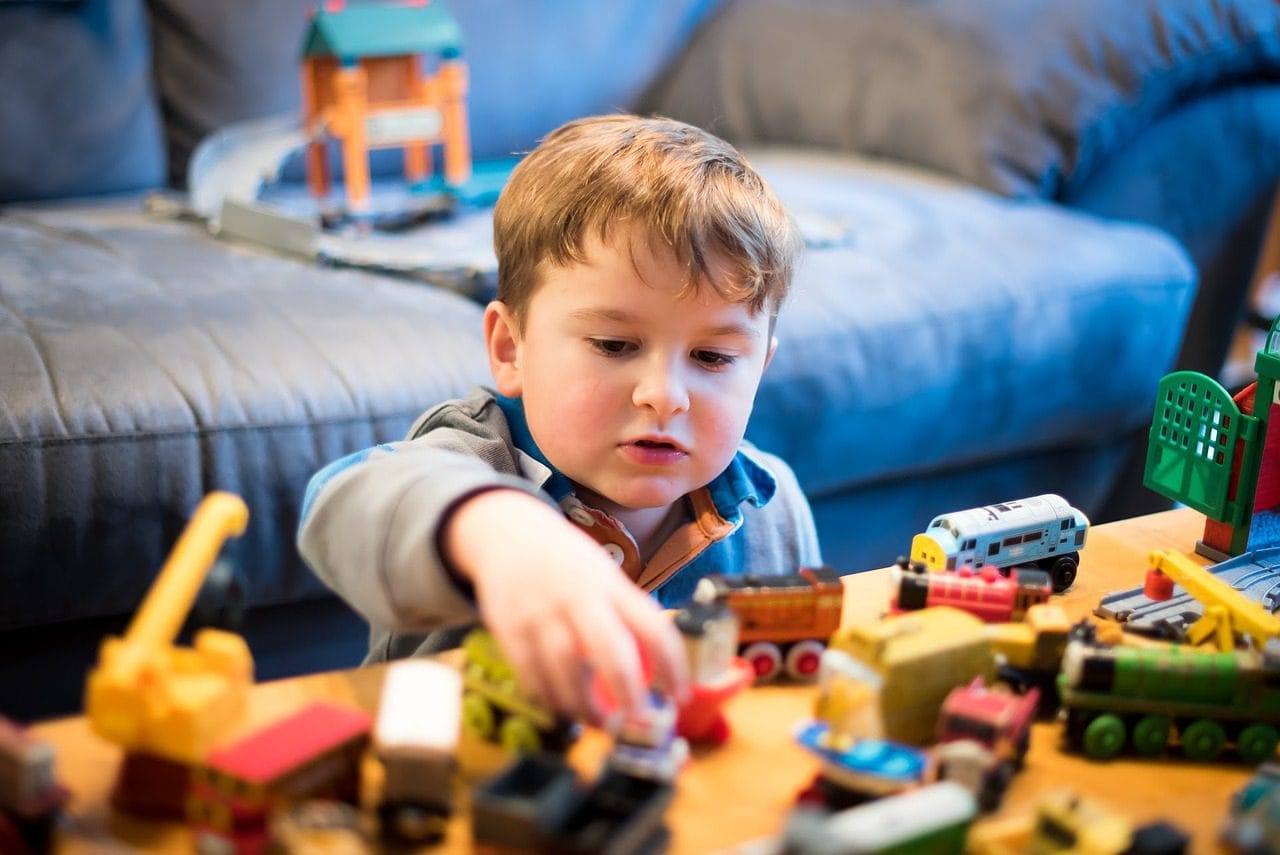
The first smile, the first step, the first word. These milestones are watched and waited for with bated breath by parents, grandparents, uncles and aunts – and perhaps a child’s first word most of all.
In a recent poll among the top 10 most common first words in the UK were ‘Dada’ and ‘Mama’, ‘no’, ‘ball’, ‘bye’, ‘cat’ and ‘dog’.
But if our house is anything to go by, there’s one word that brings sinking hearts rather than doting smiles. It may not be a child’s first utterance, but once they’ve learnt it, they will say it repeatedly.
‘Mine!’
And even before children can say ‘mine’, they develop actions and gestures that do a very good job at communicating what they mean: ‘That’s mine. Not yours, mine.’
It’s not just toddlers.
Older children and we adults understand the importance of ensuring that those we relate to know what’s mine and what’s theirs and what we’re happy to share.
For example, take ordering a meal. It’s very important to be clear whether that one extra portion of chips is really mine or whether we’re going to be sharing it.
Or in the office staffroom. I remember merrily helping myself to an open bag of coffee only to hear a cry from the other side of the room – ‘that’s mine!’ I’d obviously missed the label.
What about when it comes to the way we relate to God?
At the heart of our Christian faith is the amazing privilege of closeness that we enjoy with God.
Once you were alienated from God and were enemies in your minds because of your evil behaviour. But now he has reconciled you by Christ’s physical body through death to present you holy in his sight, without blemish and free from accusation. Colossians 1:21
We have been reconciled through Jesus’ death for us on the cross. The relationship we were created to enjoy with God, broken because of our sin, is wonderfully restored by his grace.
And so now we are free to relate to him as a child relates their father. Without fear, knowing he accepts us, knowing we belong to him.
But as we relate to him and as we seek to do that in all of our lives, how do we work out what’s ours, what’s his and what we’re happy to share?
The verses that precede Colossians 1:21 make it incredibly easy to work out.
In verses 15-20, we read a very little but very important word – so important Paul repeats it six times. Speaking about Jesus, the one through whom we can relate to God…
Jesus is firstborn over all creation.
By him all things were created.
He is before all things.
In him all things hold together.
All God’s fullness dwells in him.
Through him all things are reconciled to God.
Abraham Kuyper was a theologian and pastor and then was Prime Minister of the Netherlands between 1901 and 1905. At the opening of the Free University, Kuyper wonderfully summed up this all-encompassing truth that we see in Colossians 1:
There’s not a square inch in the whole domain of human existence over which Christ, who is Lord over all, does not exclaim, ‘Mine!’
Which means as we’re try to work out what’s mine, what’s his and what we’re happy to share, if we take these verses seriously, we have to admit – it’s all his.
Do we need a greater call then, to take Jesus’ gospel to Jesus’ people in Jesus’ world? Can the importance of global mission be dimmed if Jesus can say of Suriname and Mongolia and Belgium ‘Mine’?
Of course, that doesn’t mean we go with any sense of ownership of these places or people. It means we go instead with humble, servant-hearted obedience wherever he leads us. And if for whatever reason or circumstance, we are not in a position to go ourselves, we must heed the challenge to remain involved and engaged with a personal stake in Jesus’ global church.
It all belongs to Jesus. This world and every part of our lives. No wonder Frances Ridley Havergal’s hymn ‘Take my life and let it be’ remains a necessary one to sing again and again and again…
Take my life and let it be
consecrated, Lord, to thee.
Take my moments and my days;
let them flow in endless praise,
let them flow in endless praise.
Rev Stewart Deering, Vicar of Sherbornes with Pamber Churches